FWG has developed two projects in Bonnells Bay from the ground up. We know what makes a good site here, what Lake Macquarie Council will and won't approve, and how to structure the development to maximise your outcome.
Not every block in Bonnells Bay is development-ready. The difference between a workable site and a costly distraction comes down to a handful of variables — and reading them correctly before you commit capital is the entire game.
FWG has assessed and transacted on multiple sites in Bonnells Bay. The criteria below reflect what we actually look for — not theory, but a practical filter developed through active development in the suburb.
A site that passes these filters has a realistic path to approval. A site that fails on even one or two of them can absorb months of due diligence without ever reaching a DA lodgement. The filter matters more than the price.
R3 Medium Density unlocks the broadest range of outcomes. R2 sites can still deliver dual-occupancy under the Lake Macquarie LEP where minimum lot sizes are met.
Lake Macquarie LEP sets minimum lot sizes for subdivision and dual-occupancy. Sites that are marginal on size can fail at DA stage despite looking suitable on the surface.
Corner lots in Bonnells Bay offer dual-frontage advantages — separate vehicle access for each dwelling, better orientation options, and improved subdivision geometry. Both FWG projects are on corner sites.
In a market where buyers are quality-sensitive, aspect affects both livability and end value. North-facing orientation is the single most-requested attribute by Bonnells Bay buyers at our projects.
Bonnells Bay sits close to the lake. Stormwater drainage management is a live issue on many sites. Service connection costs can be significant on sites without frontage to reticulated infrastructure.
When FWG advises a client on a development site in Bonnells Bay, we are drawing on direct experience in this specific suburb — not generic development knowledge applied from a distance.
FWG No. I — Elan at 82 Station Street — was sourced, assessed, approved, and is being delivered in Bonnells Bay. The site was identified before it reached the open market, assessed against Lake Macquarie Council's LEP controls, and structured for a Torrens title subdivision outcome from day one. That process — from initial site identification to DA lodgement — is the same process we apply when working with advisory clients.
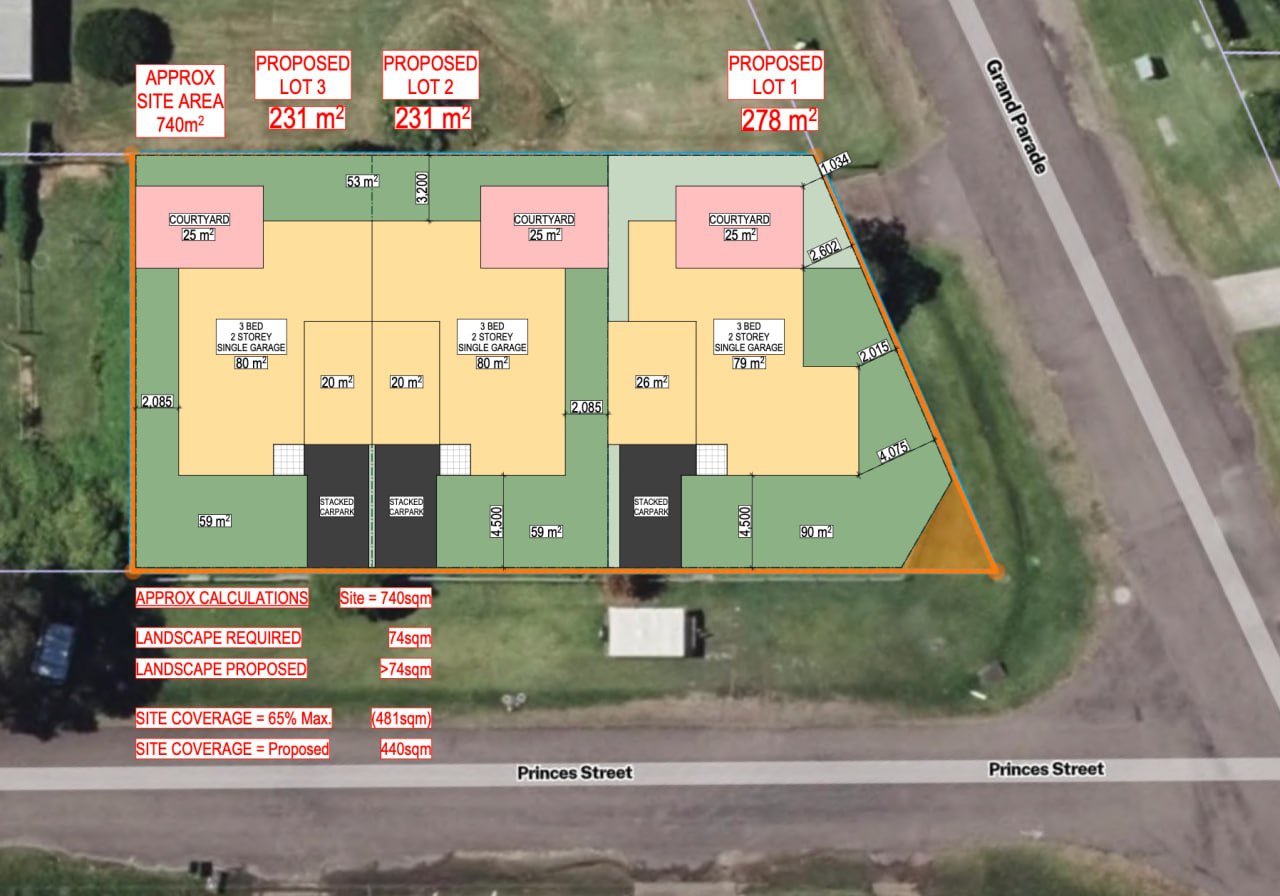
FWG No. II — Clairvue at 48 Grand Parade — adds a waterfront-adjacent, corner-positioned project to the same suburb. The site brought a different set of development considerations: lake proximity, stormwater constraints, and a north-facing outlook that required careful building design to protect. Those constraints were managed through the DA process. The result is a project that neither oversimplifies the site nor undersells it.
Having two concurrent projects in the same suburb is unusual. It means FWG has a live, current understanding of council processing times, approval conditions, and subcontractor availability in Bonnells Bay. That intelligence is directly applicable when we advise clients on sites within the same council area.
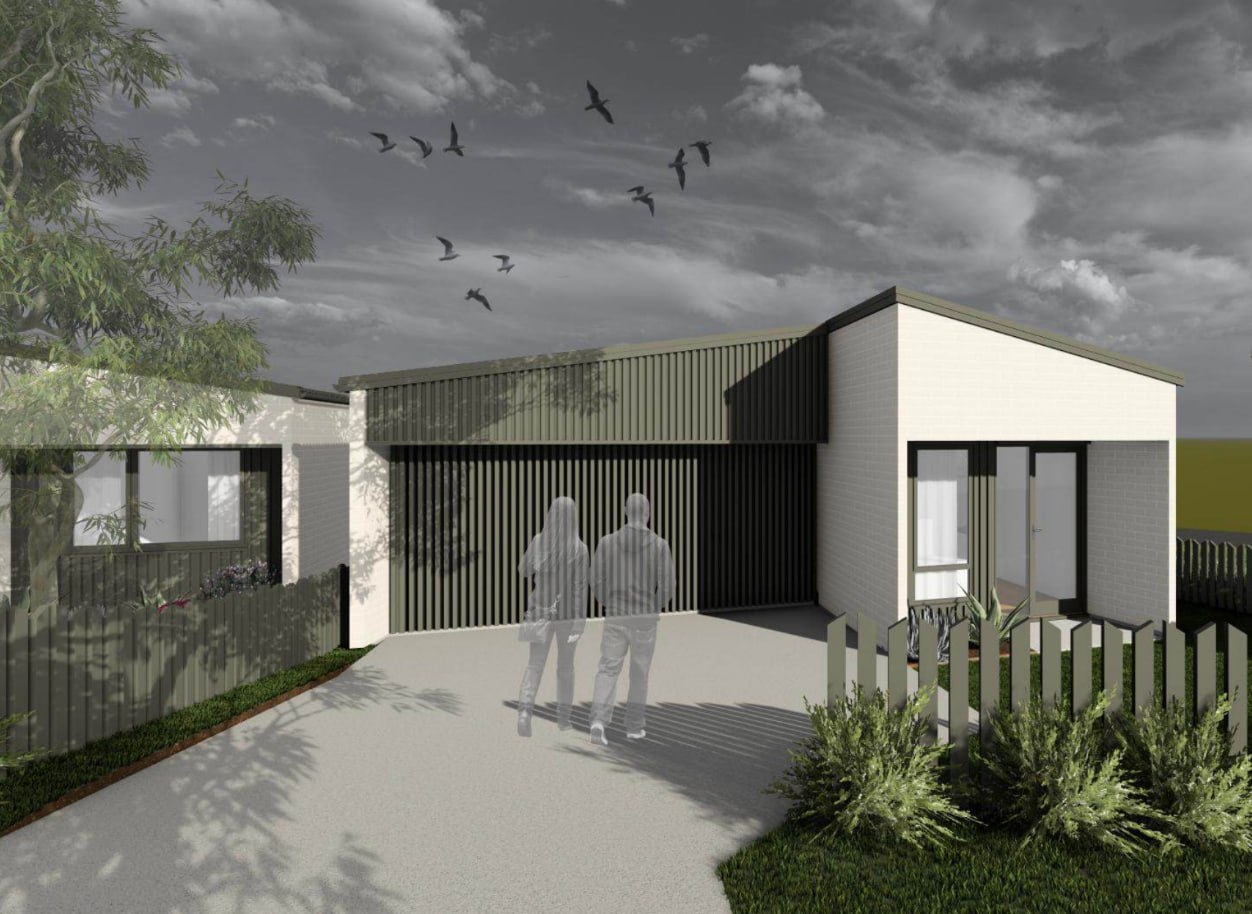
Corner site. R-zoned. Torrens title subdivision. Sourced off-market, approved through Lake Macquarie Council, currently in delivery.
View ElanNorth-facing corner site. Lake outlooks. Stormwater-managed design. Torrens title. FWG's second active development in Bonnells Bay.
View ClairvueBonnells Bay is administered by Lake Macquarie City Council — not Central Coast Council. This is a critical distinction for anyone used to operating on the Central Coast side of the border. The LEP, development controls, and planning culture are different, and applying Central Coast assumptions to a Lake Macquarie site is a fast way to misprice a development.
Lake Macquarie City Council administers the Lake Macquarie Local Environmental Plan 2014 (LMLEP 2014). This document governs zoning, minimum lot size, building height limits, floor space ratios, setbacks, and permissibility for all development in the LGA, including Bonnells Bay.
In FWG's experience, Lake Macquarie Council's assessment process is methodical. Applications that are well-prepared, supported by thorough documentation, and structurally compliant with the LEP tend to move through the process at a predictable pace. Applications that attempt to push at the edges of what the controls allow tend to stall.
The DA Application Guide on this site covers the NSW development application process in detail. For Bonnells Bay-specific guidance, including how FWG approaches pre-DA meetings, arborist reports, and drainage management plans specific to this suburb, speak with us directly.
R2 Low Density and R3 Medium Density are the primary residential zones in Bonnells Bay. Site-by-site check required — zoning maps on the Lake Macquarie planning portal.
Minimum lot size for subdivision in R2 is typically 450–600sqm depending on the specific clause. R3 minimum lots for townhouse development may differ. Check the LEP lot size map, not just the zone.
Maximum building height is typically 8.5m in residential zones in Bonnells Bay. This controls the number of storeys achievable and must be factored into any design from the outset.
Proximity to Lake Macquarie means flood and riparian overlay checks are essential on any Bonnells Bay site. These overlays affect what can be built and at what floor level.
The state housing SEPP can expand what is permissible beyond the local LEP on some sites. Its interaction with Lake Macquarie's controls requires careful analysis — it is not a blanket override.
If you own a block in Bonnells Bay and have wondered whether it has development potential, start with an honest site assessment. FWG will check zoning, run a preliminary feasibility, and give you a clear view of what the site can and cannot support — before you spend money on consultants or commit to a development strategy.
No obligation. No sales pitch. We will tell you what we see — including when a site doesn't stack up. Begin with the Landowner Guide or contact us directly.
Advisory Services Landowner Guide Contact FWGSuburb overview, planning context, demographics, and local knowledge from FWG's development experience on the ground.
View →Register interest in FWG's current new-build Torrens title residences at Station Street and Grand Parade.
View →Sold prices, median trends, and development context. Updated quarterly by FWG. Essential reading before any site assessment.
View →